
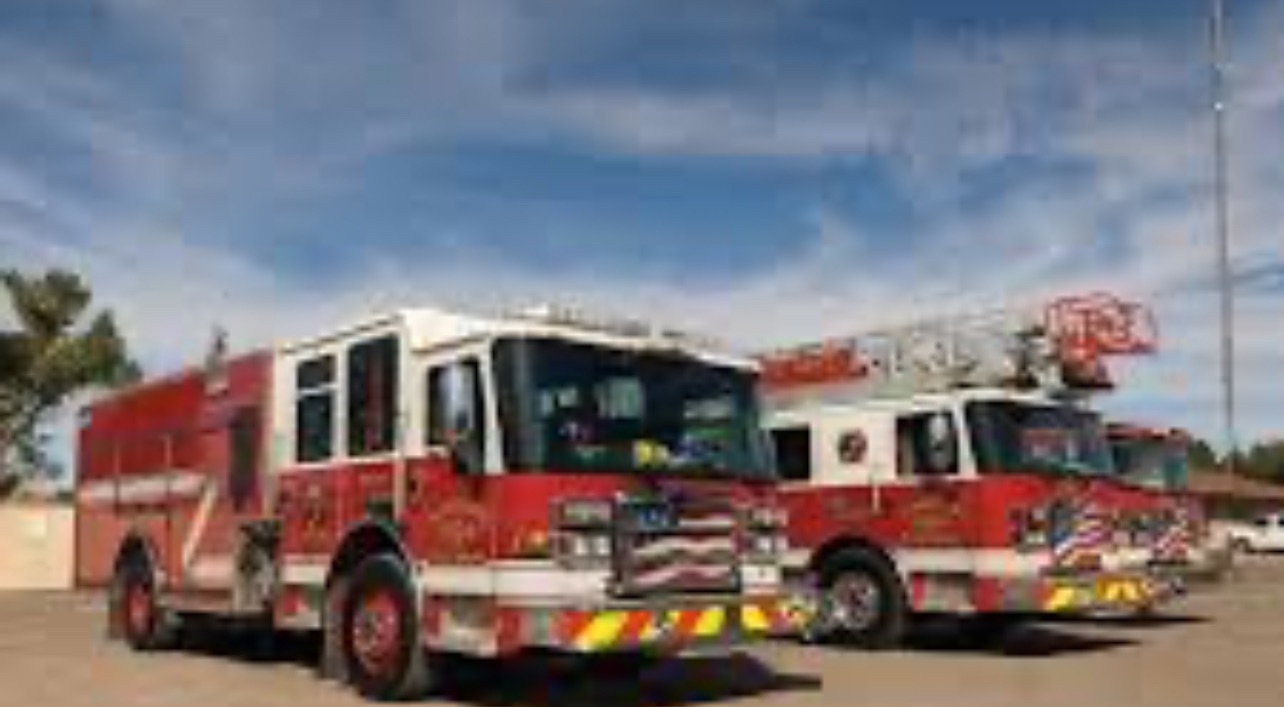
Firefighters face numerous risks, many of which extend beyond the immediate dangers of massive blazes and smoke. One of the most persistent threats they encounter is exposure to per- and polyfluoroalkyl substances (PFAS), a family of nearly 15,000 human-made compounds that have been used in a variety of commercial goods since the 1950s. Once hailed for their heat and water resistance, these chemicals have also found their way into turnout gear and aqueous film-forming foam (AFFF)—a fire suppressant agent highly effective in extinguishing flammable liquid fires.
Yet, while PFAS have indeed been proven to improve fire suppression capabilities, their widespread use came at an expensive cost. These compounds are now notorious for being highly persistent in the environment and the human body, earning them the nickname “forever chemicals.” Over time, consistent exposure has been linked to a wide range of deadly cancers, such as non-Hodgkin lymphoma, leukemia, and other malignancies affecting the kidney, thyroid, testicles, breast, ovarian, endometrium, and prostate. Indeed, firefighters have experienced these health hazards firsthand, having spent years relying on PFAS-contaminated gear while responding to emergencies.
In light of this crisis, all 50 states nationwide, including the District of Columbia and federal firefighters, have enforced their respective cancer presumption laws. Such policies are designed to remove the burden of proof from fire service personnel diagnosed with cancer, making it easier for them to obtain medical and financial support. However, New Mexico’s version of this statute applies only to full-time firefighters, excluding the thousands of volunteers who perform the same work under the same risks. This alarming gap critically leaves a substantial portion of the state’s first responders unprotected, undermining the legislation’s broader intent.
New Mexico’s Inequitable Cancer Protection for Firefighters
New Mexico’s presumptive cancer law—enacted through Senate Bill 261 during the 2021 legislative session—marked a critical step toward acknowledging the long-termhealth risks associated with firefighting. The statute allows certain types of cancer to be presumed job-related, enabling eligible personnel to access workers’ compensation benefits without having to prove a direct link between their diagnosis and occupational exposure. The problem is that the law’s scope remains limited. Under its current provisions, only career firefighters employed by state or local governments are covered, meaning that volunteer firefighters—regardless of the number of years they have served or the frequency of their emergency responses—are excluded from protection.
This omission carries serious consequences in a state like New Mexico, whose emergency response system relies heavily on volunteers. 77.5% of firefighters statewide serve on a volunteer basis—a much higher proportion than the national average. Across the US, at least 52% of the 1,054,500 active personnel work as volunteers. These individuals respond to structure fires, wildfires, vehicle crashes, and hazardous materials incidents, often in rural and underserved areas where paid departments are unavailable. They also wear the same protective gear, use PFAS-containing foam, and even face greater occupational risks than their full-time counterparts. This heightened vulnerability was underscored in a 2021 study by Rutgers University researchers, which found that volunteer firefighters had higher concentrations of PFAS in their blood compared to career firefighters and the general population.
Yet despite this increased exposure, New Mexico’spresumptive cancer legislation still withholds the legal presumption from volunteers. When they are diagnosed with cancer after years of service, they are required to establish the direct link between their illness and their firefighting duties. However, this burden is often insurmountable without legal or medical support, as the process can quickly become complex, causing delayed treatments, significant financial strains, and even denied claims.
Addressing the Disparity in Presumptive Cancer Legislation
New Mexico’s current presumptive cancer statute falls short of its purpose by excluding the very individuals who form the foundation of its fire service. Limiting the eligibility to full-time and paid firefighters ignores the realities of emergency response in the state and leaves most of its personnel without vital protections. This is not just a simple oversight, but a serious gap that puts thousands of volunteers at unnecessary risk of medical and financial harm.
State leaders must acknowledge that the threat of occupational illness does not discriminate based on paychecks or job classifications. They should ponder that volunteers face the same carcinogenic exposures, perform the same high-risk duties, and often serve in the most underresourced areas. As such, denying them access to presumptive benefits creates a system where the burden of proof outweighs the opportunity for care.
Recognizing this disparity, several states, including California and Colorado, have already moved to extend presumptive coverage to include volunteer firefighters. New Mexico cannot afford to remain an exception. Volunteers across the state have responded to emergencies with the same urgency and exposure risks as their full-time counterparts. Their commitment has come without pay, yet not without cost. So when these individuals develop cancer linked to their service, they should not be left to fight for benefits that others in the same role receive automatically. Addressing this issue is not a matter of generosity—it is a matter of equity. If the risk is the same, the protection must also be the same. It is time for New Mexico’s law to reflect that truth.
Jonathan Sharp is Chief Financial Officer at Environmental Litigation Group, P.C., a Birmingham, AL-based law firm that supports individuals impacted by occupational and environmental toxic exposure.
More News from Alamogordo
- Gubernatorial Candidate Miyagishima calls for all police officers and sheriff deputies to have partners MIYAGISHIMA calls for all police officers and sheriff deputies to have partners if requested and at no cost to that agency
- NMSP Operation Route 66 Update Route 66 week 16 arrests



Leave a Reply